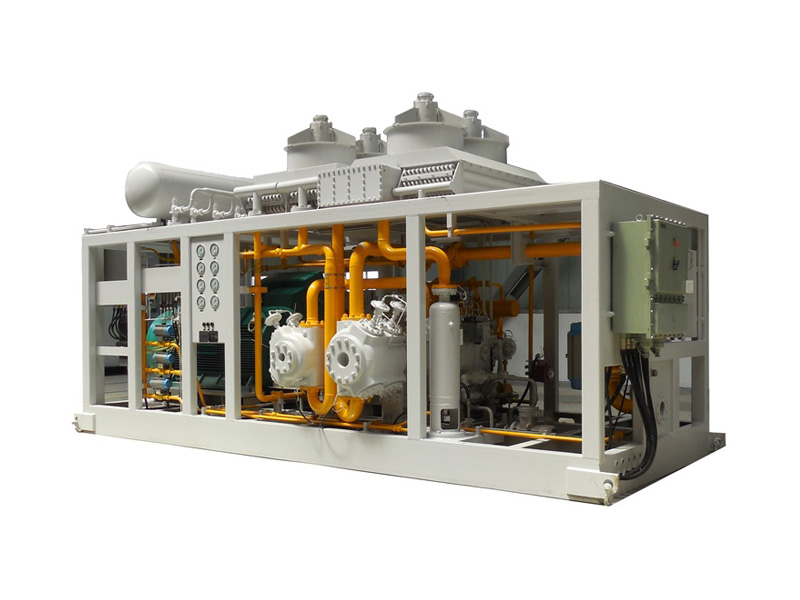
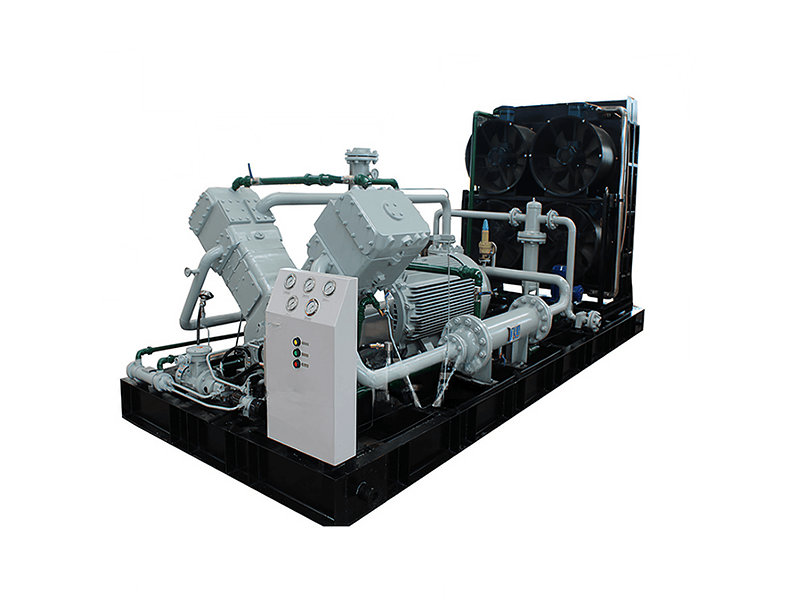
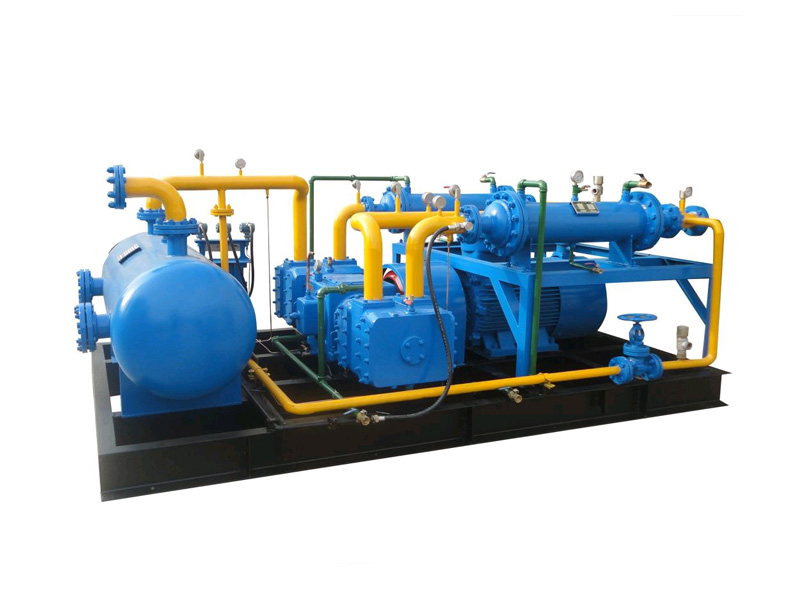
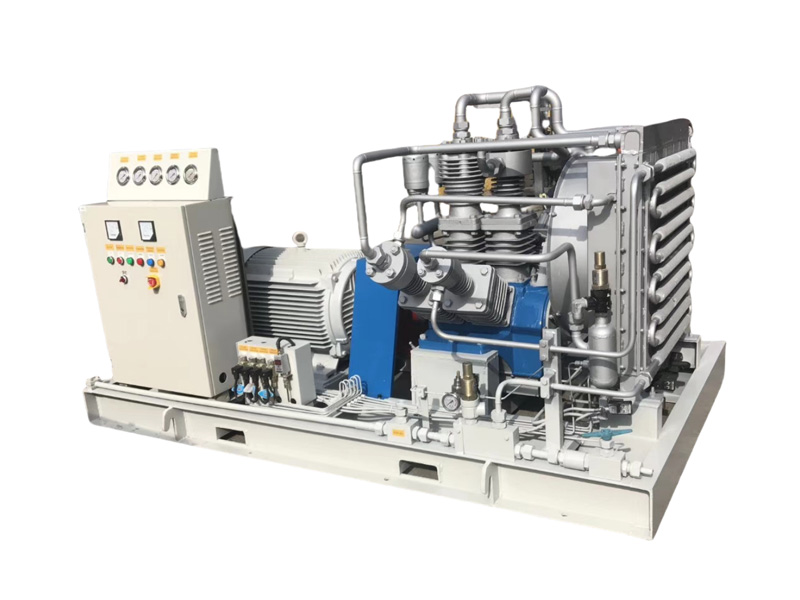
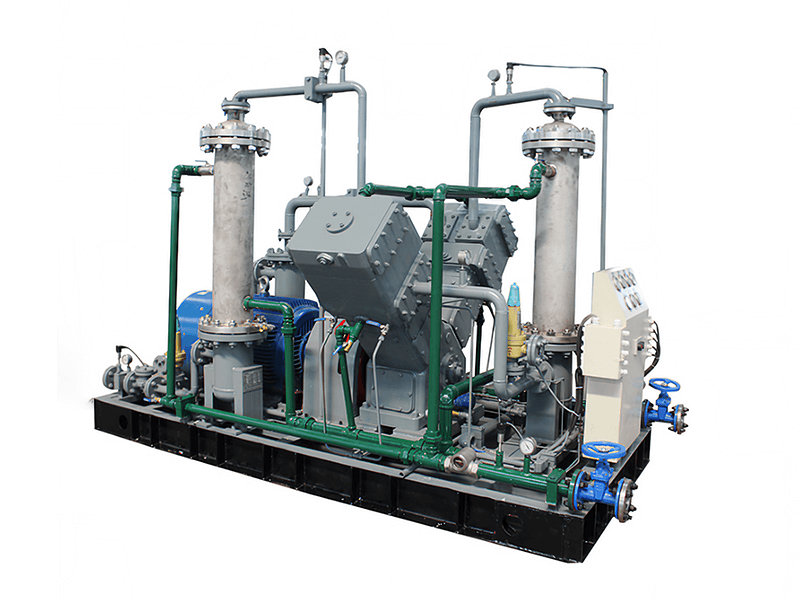
In modern food production facilities, sterile pharmaceutical workshops, or high-precision semiconductor manufacturing lines, clean compressed air is as fundamental as electricity or water—an essential yet often overlooked utility resource. However, even a microscopic trace of lubricating oil contamination can render entire production batches worthless or endanger human health. Therefore, in industries with exacting purity requirements, oil-free compressors are not merely a "premium option"—they are an absolute prerequisite for ensuring quality and safety, serving as silent guardians operating behind the scenes.
I. The Path to Purity: Engineering True Oil-Free Operation
Achieving absolutely oil-free compressed air within the compression chamber represents an ongoing technological pursuit in compressor engineering. The fundamental objective is to eliminate any possibility of contact between lubricating oil and the compressed gas throughout the entire compression process. Several proven technological approaches have emerged:
1. Material and Coating Technology: This is the most widely adopted method. In screw compressors, the male and female rotors no longer rely on oil injection for sealing, cooling, and lubrication. Instead, they utilize specialized coatings (such as PTFE or molybdenum disulfide) or are manufactured as dry-running rotors from self-lubricating materials. These materials exhibit extremely low friction coefficients and excellent wear resistance. Simultaneously, precision-machined rotor profiles maintain effective gas sealing even during dry operation. The compressor unit incorporates an independent gearbox lubrication system, completely isolated from the compression chamber by high-performance shaft seals.
2. Water Lubrication Technology: This approach uses purified water (or a water-glycol mixture) to replace lubricating oil as the sealing, cooling, and lubricating medium within the compression chamber. In screw or centrifugal compressors, water is injected directly into the compression chamber. The primary advantages are the medium's inherent purity, non-toxicity, and exceptional cooling properties due to its high specific heat capacity. The compressed gas-water mixture undergoes high-efficiency separation, producing gas with minimal liquid water content, which can then be dried through downstream treatment to obtain high-quality compressed air. However, this system requiresrigorous water quality managementandsupporting water treatment systems), along with careful attention to material corrosion resistance.
3. Labyrinth Seal and Piston Ring Technology: This method is primarily employed in oil-free piston compressors. Sealing between the piston and cylinder is achieved through labyrinth seals precision-machined grooves creating a tortuous leakage path for non-contact sealing) or specialized self-lubricating piston rings (e.g., made from filled PTFE or PEEK materials). This technology offersrelatively simple construction and is particularly suitable for generating high-pressure, low-flowrate pure gas applications, such as laboratory gas sources or medical breathing air.
Regardless of the specific technology employed, a certified oil-free compressor ensures complete absence of oil throughout its core compression chamber (from the intake valve to the discharge port), guaranteeing gas purity at its source.

II. An Absolute Requirement: Mandatory Compliance with Regulations and Standards
In the food, pharmaceutical, and electronics industries, selecting oil-free compressors is not merely a technical preference—it is a regulatory imperative. This mandatory requirement stems from the serious risks associated with oil contamination:
Food Safety Risk: Oil mist contamination can introduce off-flavors, spoilage, or potentially toxic substances into food products.
Pharmaceutical Safety Risk: Insterile production environments, oil contaminants provide an ideal breeding ground for microorganisms, potentially leading to microbial contamination of pharmaceuticals, compromise of active ingredients, and endangerment of patient health.
Product Quality Risk: In the electronics industry, micron-sized oil droplets can contaminateprecision circuit boards, causing short circuits, cold solder joints, or coating defects, potentially resulting in substantial financial losses.
Consequently, major international standards organizations have established stringent specifications. The ISO 8573-1:2010 standard, for example,strictly classifiesthe oil content (including liquid oil, oil aerosol, and oil vapor) in compressed air. Class 0 represents the most demandingclassification. It does not indicate zero oil content but rather specifies a agreed-uponlimit valuestricter than Class 1, subject to verification by both supplier and user. This typicallymeans oil content below 0.01 mg/m³. Production air in the food and pharmaceutical industries is generally required to meet Class 0 standards. Furthermore, relevant provisions in the US FDA's CFR 21 and Good Manufacturing Practices (GMP) impose indirect or direct mandatory requirements regarding production media purity. Oil-free compressors provide the most fundamental and reliable technological foundation for meeting these regulatory requirements.
III. Lifecycle Perspective: Maintenance Requirements and Cost Reality
The initial investment for oil-free compressors is typically substantially higher than for equivalent oil-flooded screw compressors. This reflects the use of more expensive materials,precision manufacturing processes, and more complex technological solutions. However, proper evaluation requires adopting a Lifecycle Cost (LCC) analysis perspective.
Essential Maintenance Considerations:
Simplified Downstream Treatment Systems: Due to the absence of oil at the source, downstream treatment primarilyneeds to address moisture and particulate matter. Costly activated carbon oil removal filters become unnecessary, and the service life of other filters is significantly extended, reducing maintenance costs and replacement frequency.
Professional Maintenance of Critical Components: Components such as coated rotors in dry screw compressors,water circuit componentsin water-lubricated systems, andself-lubricating piston rings require regular inspection and maintenance by qualified personnel to ensure optimal performance.
Essential Monitoring: Regular quality testing (particularly for oil content) of the output compressed air is essential to verify equipment performance and ensure end-use safety.
Cost-Benefit Analysis:
Direct Cost Savings: Elimination of oil filter acquisition, replacement, and disposal costs; avoidance of catastrophic losses from oil contamination, including product scrappage, equipment cleaning, and production line downtime.
Indirect Risk Mitigation: Complete elimination of compliance risks, brand reputation risks, and safety incident risks associated with oil in compressed air.
Long-Term Operational Stability: High-quality oil-free compressors are engineered for extended service life and, with appropriate maintenance,can provide stable, pure compressed air over many years.
For sensitive industries, the "zero contamination" assurance provided by oil-free compressors represents value far exceeding the initial price differential. The cost of a single major contamination incident they help prevent could be many times the equipment investment.
Conclusion
Oil-free compressors safeguard far more than just a stream ofpure air. Alongside food production lines, they protect consumer health and trust. Within pharmaceutical companycleanrooms, they preserve the hope of life and the integrity of regulatory compliance. In electronics manufacturing facilities, they protectprecision manufacturing yields and the competitiveness of core technologies.
Choosing oil-free technology fundamentally represents adopting a "prevention-first" philosophy of reliable production—advancing the quality assurance checkpoint to the very source of power. This is not merely a prudent choice for corporate quality management but also a profound responsibility towards consumers, society, and technological progress. In an erapursuing higher quality and safer living, these silent guardians, through their unwavering commitment to zero contamination, continue to serve as an indispensable foundation for high-end manufacturing and essential public well-being.